Australia Bans Under-16s From Social Media: What This Means for Global Online Safety
Australia has become the first country to ban under-16s from social media, forcing platforms to remove young users and tighten age checks. The decision may spark similar policies around the world.
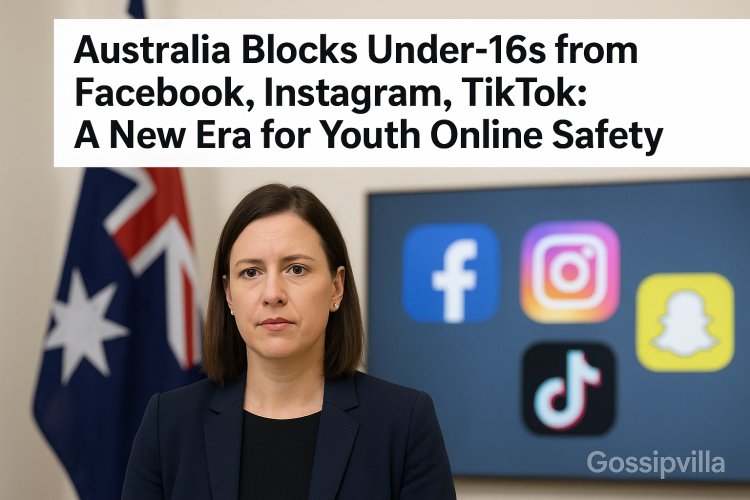
Australia has become the first country in the world to officially block anyone under the age of 16 from using major social-media platforms. The decision has sparked major conversations across governments, tech companies, parents, and children worldwide. The new rule, which takes effect this month, requires platforms like Facebook, Instagram, TikTok, Snapchat, and YouTube to immediately remove or block under-age accounts or face heavy financial penalties. According to Reuters, several platforms have already begun deactivating accounts belonging to users between ages 13 and 15 as part of early compliance.
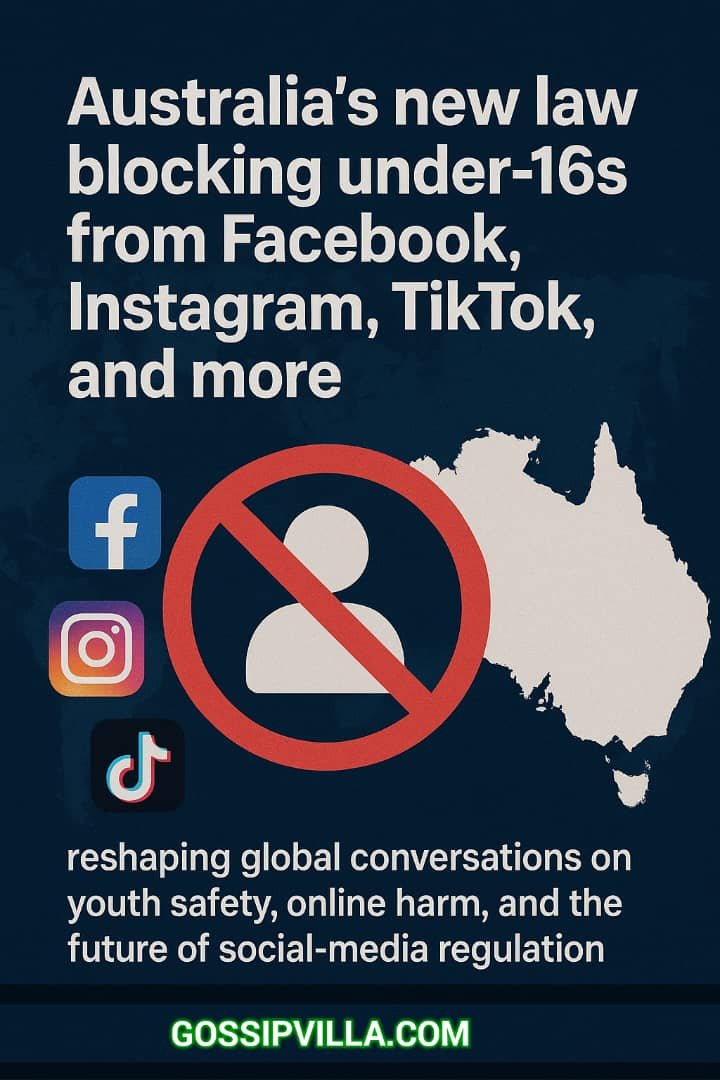
For years, Australia has debated how to protect children online as social media continues to influence young people’s habits, mental health, and daily lives. Officials pushing for the ban argue that the rise of cyberbullying, harmful content, and addictive behavior is becoming too severe to ignore. They believe that minors are being exposed to content far beyond their emotional capacity, and the current age restrictions set by platforms have not been effective. According to The Guardian, the government said the new rule is a direct attempt to reduce digital harm and create a safer online environment for children.
Under the new law, responsibility falls directly on the social-media companies, not on parents or teenagers. Platforms must verify users’ ages more strictly, using methods such as ID checks or approved verification systems. Companies that fail to follow the rules could face multi-million-dollar fines. The government insists that the aim is not to punish young people but to ensure that global tech giants take online safety seriously and stop ignoring age-limit policies they already claim to enforce.
Supporters of the ban believe the move will give children room to grow without the pressure of online comparison, unrealistic beauty standards, violent content, or harmful trends often spread on social platforms. Many parents have publicly praised the decision, saying their children will finally have fewer distractions and emotional pressures. Some educators have also welcomed the move, noting that school leaders have been reporting rising levels of anxiety, reduced attention spans, and increased conflicts linked to online behavior.
However, not everyone agrees. Critics argue that banning young people from mainstream platforms might drive them to lesser-known, unregulated apps, making monitoring even harder. Some digital-rights groups have warned that the ban may unintentionally isolate teens who rely on social media for learning, creative expression, and social support. They believe education, awareness, and responsible digital training would be a better approach than outright removal. Child psychologists also warn that restricting access might not automatically solve the deeper issues affecting young people.
There are also concerns about privacy. To verify ages, some platforms may require personal documents or digital identification, raising questions about how this information will be stored and protected. Tech experts say it could expose families to new forms of data risk if not properly handled. Others fear that younger teens may simply lie about their age or use VPNs to bypass restrictions, making enforcement more complicated.
Still, the government maintains its ground, saying the primary goal is to reduce harm, not to limit freedom. Officials argue that children should not be engaging with platforms designed for adults and that a healthier online culture begins with responsible boundaries. The law also includes plans for continuous review, meaning additional updates or support systems may follow as technology evolves.
Beyond Australia, the decision is already influencing global conversations. Policy analysts say several countries will be watching closely to see whether the ban proves effective. If it succeeds in reducing harm and improving children’s mental health, it could become a model for future digital-safety laws. Nations facing similar concerns may consider stricter age-verification rules or increased pressure on tech companies to protect young users.
In Africa, especially countries like Nigeria where social media plays a major role in youth culture, this development raises important questions. Should African countries consider similar restrictions to protect minors? Or would a different approach such as digital education, parent-child communication, or targeted safety campaigns be more effective? Many young Nigerians depend on social media for education, entertainment, small businesses, and self-expression. A total ban might not match the local reality, but lessons from Australia could inspire new discussions about child-focused digital safety across the continent.
READ MORE ON HOW Rising Smartphone Prices and Costly Data Threaten Africa’s $300 Billion Digital Dream
As the world watches, the coming months will reveal how effective this bold step will be. Monitoring, adaptation, and transparency from tech companies will determine whether the law protects young people or creates new challenges. What is certain is that Australia has forced a global conversation about how children use technology and how society should balance protection with digital freedom.
What's Your Reaction?