Quantum Computing Could Threaten Bitcoin Security — Experts Warn of a Future Risk
Quantum computing could one day break Bitcoin’s encryption, putting crypto wallets and transactions at risk. Experts disagree on the timeline, but the industry is preparing quantum-safe solutions.

Bitcoin has long been seen as one of the most secure digital systems in the world, protected by complex mathematics and cryptographic techniques that normal computers cannot break. For years, this has been the foundation of trust for millions of users who invest, trade, and store wealth using cryptocurrencies. But now, a new and fast-growing technology — quantum computing — is raising serious questions about how secure Bitcoin will be in the future.
Quantum computing is different from the computers we use every day. Instead of using traditional bits, which can only be 0 or 1, quantum computers use “qubits,” which can represent multiple states at the same time. This gives them the power to solve certain mathematical problems incredibly fast problems that would take classical computers thousands or even millions of years. This speed and power are what make experts worried about Bitcoin’s long-term security.
How Bitcoin Security Works Today
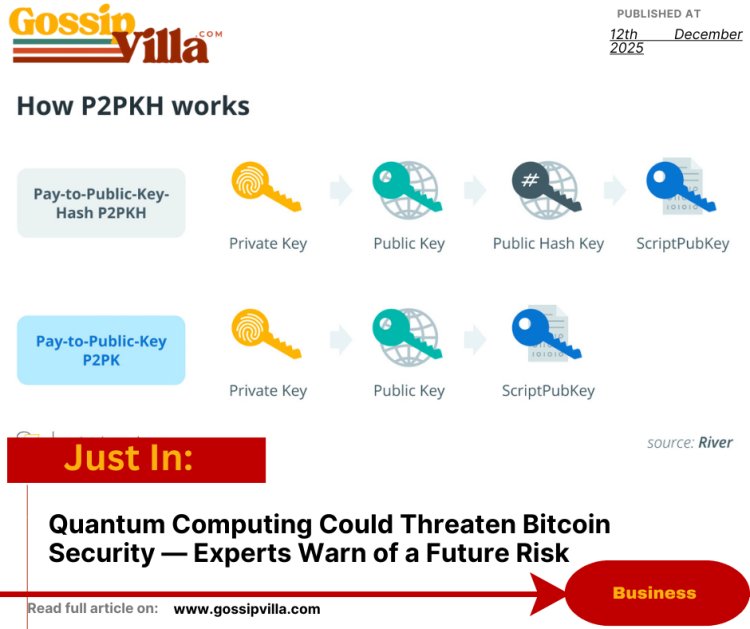
To understand the concern, it’s important to know how Bitcoin keeps transactions safe. When a Bitcoin transaction is made, it uses a combination of cryptographic tools. One of the most important tools is the digital signature system. When someone sends Bitcoin, they sign the transaction using a private key that only they know. The corresponding public key is then visible to the network, and everyone can verify that the transaction is valid.
The security of this process depends on the fact that it is extremely difficult for anyone to figure out the private key from the public key. With normal computers, solving this problem would take longer than the age of the universe. This is why Bitcoin has been considered very secure since its creation, according to Yellow.com, which explains the vulnerability of current cryptography and the potential risks posed by quantum computing.
Why Quantum Computers Are a Threat
Quantum computers, in theory, could break this security. Because they can solve certain types of math problems much faster, they could potentially calculate someone’s private key just by looking at their public key. If that becomes possible, an attacker could steal Bitcoin from wallets without needing passwords or seed phrases.
For now, quantum computers are not strong enough to do this. The machines that exist today are still experimental. They struggle with errors, they cannot maintain stable qubits for long, and they do not have enough reliable qubits to break modern cryptography. But the speed of progress is what concerns experts. Every year, quantum technology is improving, and no one knows exactly how fast it will reach the point where it becomes dangerous.
Different Opinions on the Timeline
Experts disagree sharply on when quantum computers will become powerful enough to threaten Bitcoin.
Some believe the risk could come sooner than many expect. They argue that with the rapid pace of quantum research and investment, a cryptographically capable quantum computer could appear within the next five to ten years. Their biggest fear is a period called the “quantum window” a time when quantum computers exist but the cryptocurrency industry has not yet upgraded its security. In such a window, billions of dollars in digital assets could be exposed.
Others in the crypto community take a more relaxed view. Some well-known cryptographers believe it will take decades perhaps 20 to 40 years before quantum computers become strong enough to break Bitcoin’s cryptographic protections. They argue that the current challenges in building practical quantum machines remain extremely difficult, and progress may slow down in the future. According to Cointelegraph, developers are already proposing post-quantum upgrades to Bitcoin to reduce the risk when quantum machines eventually arrive.
Despite these disagreements, almost everyone agrees on one thing: eventually, quantum computers will become powerful enough to break today’s cryptography. The only uncertainty is how soon that day will arrive.
What Could Happen if Bitcoin Becomes Vulnerable
If quantum computers reach the point where they can break Bitcoin’s security, the consequences could be serious.
The most immediate danger would be the ability to steal funds. Once an attacker can derive a private key from a public key, they can take all the coins in that address. Older addresses that have been reused, or addresses where the public key has already been revealed, would be the most vulnerable.
Another possible risk is transaction hijacking. This could happen during the short period between when a Bitcoin transaction is broadcast to the network and when it is confirmed by miners. With the power of quantum computing, an attacker could attempt to steal the transaction by creating their own competing version that spends the same coins.
There is also the possibility of disruption to the mining process. Quantum computers could solve Bitcoin’s mining puzzles much faster than regular miners, leading to an imbalance in the network and possibly giving too much power to one quantum-equipped attacker.
How the Industry Is Preparing
Fortunately, the digital world is not waiting for the threat to become real before taking action. Researchers and institutions have already developed what is known as “post-quantum cryptography.” These are new types of cryptographic algorithms designed to be secure even against the power of quantum computers.
Some government agencies, including the National Institute of Standards and Technology (NIST), have already selected several post-quantum algorithms that can be used to replace older, vulnerable systems. These new algorithms can be integrated into Bitcoin and other cryptocurrencies, but doing so will require coordination across the entire industry.
Within the Bitcoin development community, proposals have already been introduced to update Bitcoin’s signature system to quantum-resistant alternatives. This would involve phasing out older signature types and transitioning users to newer formats through a carefully managed network upgrade.
READ MORE ON HOW NITDA Warns Nigerians Against ChatGPT Vulnerabilities That Enable Data-Leakage Attacks
What Bitcoin Holders Can Do Now
For regular Bitcoin users, there is no immediate danger. Quantum computers capable of breaking Bitcoin do not exist yet. However, there are still simple steps users can take to reduce future risk.
One important practice is avoiding the reuse of Bitcoin addresses. When an address is reused, the public key becomes exposed repeatedly, making it more vulnerable in a future quantum scenario. Using fresh addresses for each transaction helps limit this exposure.
Another helpful step is staying informed. As quantum computing advances and the Bitcoin protocol evolves, updates will be shared by developers, wallets, and exchanges. Being aware of these changes will make it easier for users to take protective actions when the time comes.
What's Your Reaction?