Nigeria Launches ECOWAS Biometric Identity Card to Boost Regional Mobility and Security
Nigeria launches the ECOWAS Biometric Identity Card (ENBIC) to boost regional mobility, improve border security, and support cross-border trade, benefiting citizens, SMEs, and travelers.
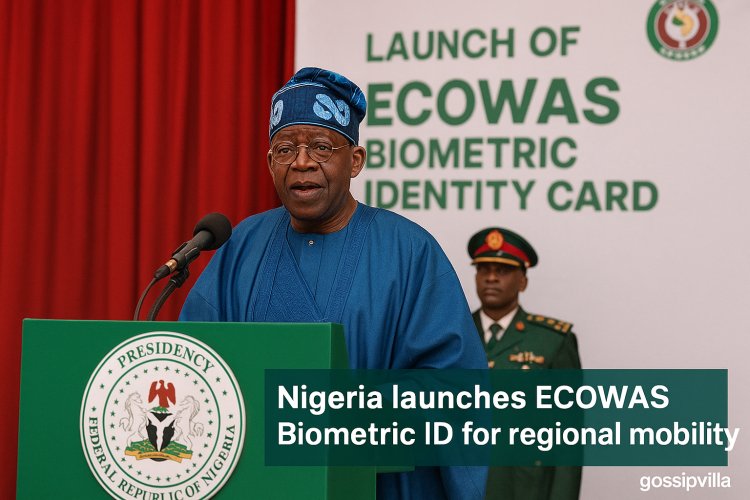
Nigeria has officially launched the ECOWAS Biometric Identity Card, a development hailed as a major step toward stronger regional integration, improved border security, and streamlined identity verification across West Africa. The new card, officially called the ECOWAS National Biometric Identity Card (ENBIC), replaces the old ECOWAS Travel Certificate and offers citizens a secure, modern, and technologically advanced means of identification.

At the official unveiling ceremony in Abuja, Minister of Interior Rauf Aregbesola described the ENBIC as “a transformative tool that will strengthen regional integration, enhance border security, and make travel easier for Nigerians across ECOWAS countries.” He emphasized that the biometric card is part of a broader digital identity initiative that aligns Nigeria with ECOWAS’ vision of seamless movement, improved trade, and strengthened governance systems.
The Federal Government explained that the new biometric card will significantly benefit millions of Nigerians who travel frequently for business, education, tourism, and work. The card contains embedded biometric data, including fingerprints and facial recognition, making it harder to forge or manipulate. It also allows immigration officers to quickly verify identities, reducing delays at borders and minimizing fraudulent activities.
According to TechAfrica News, officials noted that the ENBIC is designed to unify identity management across ECOWAS member states. “The launch of this card is not just about identification; it is about creating a seamless West African community where citizens can move, trade, and engage in cross-border activities without unnecessary barriers,” said Director-General of the National Identity Management Commission (NIMC), Aliyu Aziz. He added that the card will gradually integrate with Nigeria’s national ID system and other regional identity frameworks to ensure interoperability.
In his remarks, President Bola Tinubu highlighted the economic benefits of the card, particularly for small and medium-sized enterprises (SMEs) that rely on cross-border trade. “This initiative will empower our traders, transport operators, and entrepreneurs by providing a secure and standardized identity verification method. It will reduce bureaucratic hurdles and support the growth of regional commerce,” he said. The president further described the card as a critical step toward digital transformation in Nigeria and a boost for the country’s international image as a modern and technologically progressive nation.
Authorities also explained that the biometric card is expected to combat irregular migration, identity fraud, and cross-border crime. Officials emphasized that by providing a reliable and verifiable identity, the ENBIC will make it easier for immigration and law enforcement agencies to monitor movements and enhance public safety. The biometric features, combined with digital verification systems, will allow authorities to detect and prevent fraudulent activities effectively.
According to Nairametrics, the ENBIC is also expected to simplify life for ordinary citizens who previously faced challenges with outdated travel documents. The card reduces the need to carry multiple forms of identification and streamlines verification at airports, land borders, and seaports. This is particularly beneficial for transport operators, cross-border traders, and small business owners who depend on frequent movement within West Africa to sustain their livelihoods.
The Federal Government has assured citizens that enrollment for the ECOWAS Biometric Identity Card will roll out in phases across Nigeria, with priority given to frequent travelers and key stakeholders in commerce, education, and tourism. Officials have also promised public education campaigns to ensure citizens understand the benefits and processes involved in obtaining the card.
The launch of ENBIC aligns with Nigeria’s broader digital reform agenda, which emphasizes the adoption of modern technology in governance, identity management, and service delivery. As more citizens enroll, the card is expected to strengthen regional cooperation, facilitate trade, enhance security, and position West Africa for a more unified digital future.
READ MORE ON HOW Nigeria Targets Global Digital Jobs with New Policy on Intellectual Property and Services Export
In conclusion, the ECOWAS Biometric Identity Card represents a landmark initiative that balances technology, governance, and citizen empowerment. By modernizing identity verification and supporting regional integration, Nigeria is setting the stage for a safer, more connected, and economically vibrant West Africa.
What's Your Reaction?